Making ERP Work for People, Not Just Processes
By KalSoft Team · Published Jul 1, 2026 · 3 min read
ERP systems should simplify the way work gets done
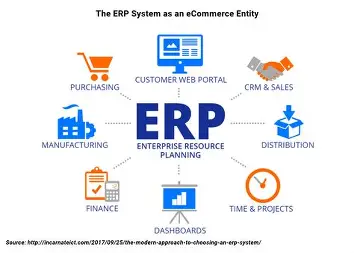
An enterprise resource planning system is often described as the backbone of business operations. It connects finance, procurement, inventory, sales, manufacturing, human resources, and reporting into one structured environment. But even the most powerful ERP platform can fall short if employees find it difficult to use.
ERP success is not measured only by go-live dates. It is measured by whether people can complete work accurately, quickly, and confidently. When ERP is designed around real business users, it becomes more than a system of record. It becomes a platform for better execution.
Common reasons ERP projects struggle
- Processes are copied without improvement: Old manual steps are moved into a new system without simplification.
- Data is inconsistent: Duplicate or incomplete master data creates reporting and operational issues.
- Users are trained too late: Employees are introduced to the system after key design decisions are already made.
- Customization is overused: Too many custom changes can increase cost, risk, and upgrade complexity.
Design ERP around business outcomes
A strong ERP strategy begins with outcomes. Leaders should define what the organization needs to improve, such as faster month-end close, better inventory visibility, fewer manual approvals, or more accurate project costing.
Once outcomes are clear, teams can redesign processes before configuring the system. This helps avoid automating inefficient work. It also creates an opportunity to standardize activities across locations, departments, and business units.
Adoption is a business responsibility
ERP adoption improves when employees are involved early. Process owners, super users, and department leaders should participate in workshops, testing, training, and feedback cycles. This makes the system more practical and builds trust before launch.
- Map current processes and identify pain points.
- Remove unnecessary approvals and duplicate data entry.
- Create clean master data ownership rules.
- Test with real scenarios, not only ideal examples.
- Measure adoption after go-live and continue improving.
ERP should help people make better decisions and complete work with less friction. When organizations focus on users, data, and outcomes, ERP becomes a practical engine for operational excellence.
User experience matters in ERP adoption
ERP platforms often touch many roles across the organization. Finance users, warehouse teams, sales representatives, procurement specialists, and managers may all interact with the system differently. If the experience is confusing, employees may return to spreadsheets, emails, or manual workarounds.
Improving ERP usability does not always require heavy customization. It may involve simplifying screens, creating role-based dashboards, improving training materials, reducing unnecessary fields, or making approval workflows easier to follow.
Data governance is essential
ERP systems depend on clean and consistent data. Customer records, vendor details, product information, pricing, chart of accounts, inventory items, and employee data all need ownership. Without governance, different teams may enter information in different ways, creating errors in reporting and operations.
- Assign owners for key master data.
- Create rules for data entry and approval.
- Remove duplicate and outdated records.
- Use validation checks where possible.
- Review data quality as part of regular operations.
ERP improvement continues after go-live
Go-live is not the end of an ERP journey. It is the beginning of continuous improvement. After launch, organizations should collect user feedback, review support tickets, measure process performance, and identify where employees still experience friction.
This post-launch improvement cycle helps the ERP system become more valuable over time. It also shows users that their feedback matters, which strengthens adoption and long-term success.